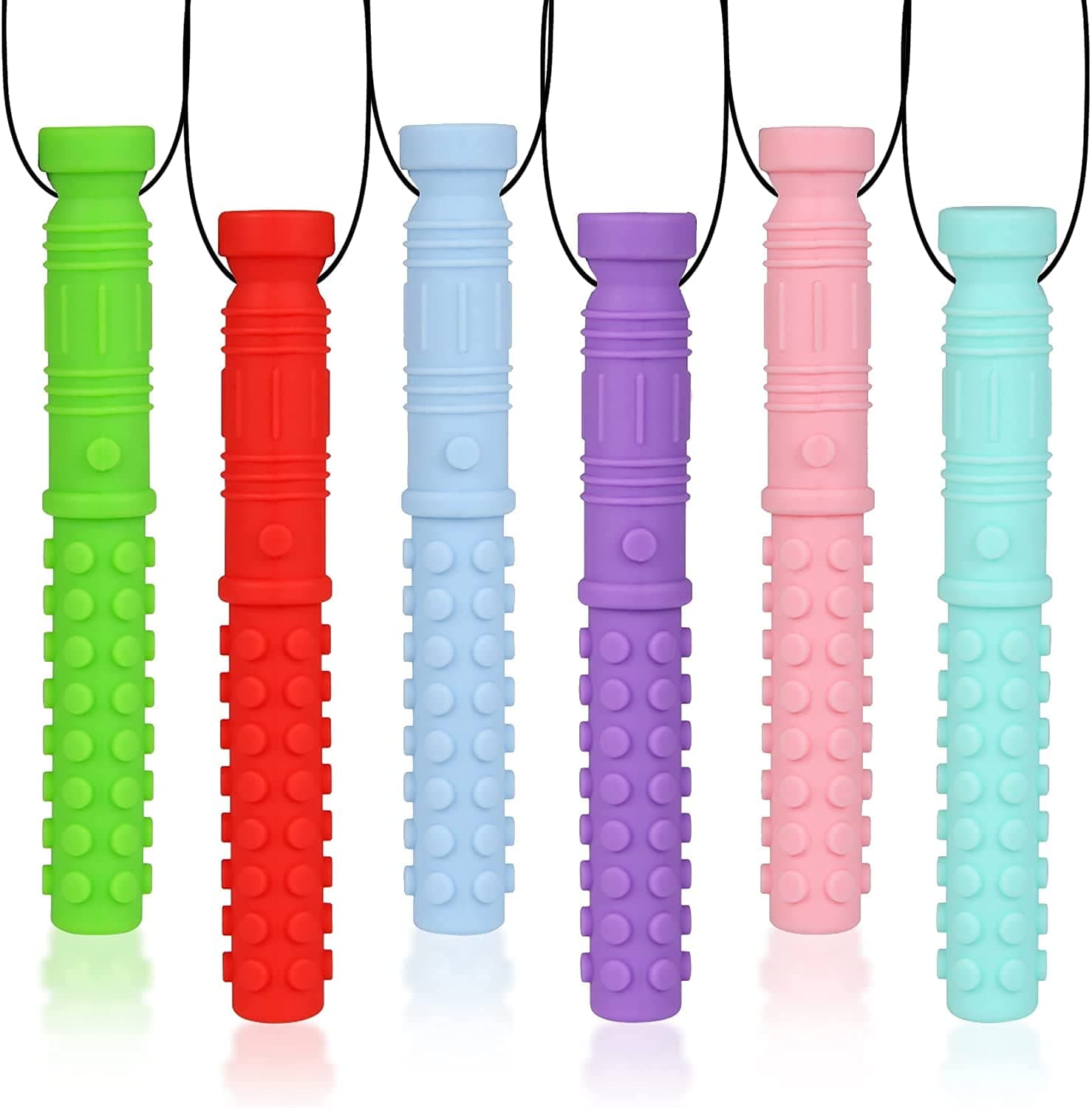
SensoryChew
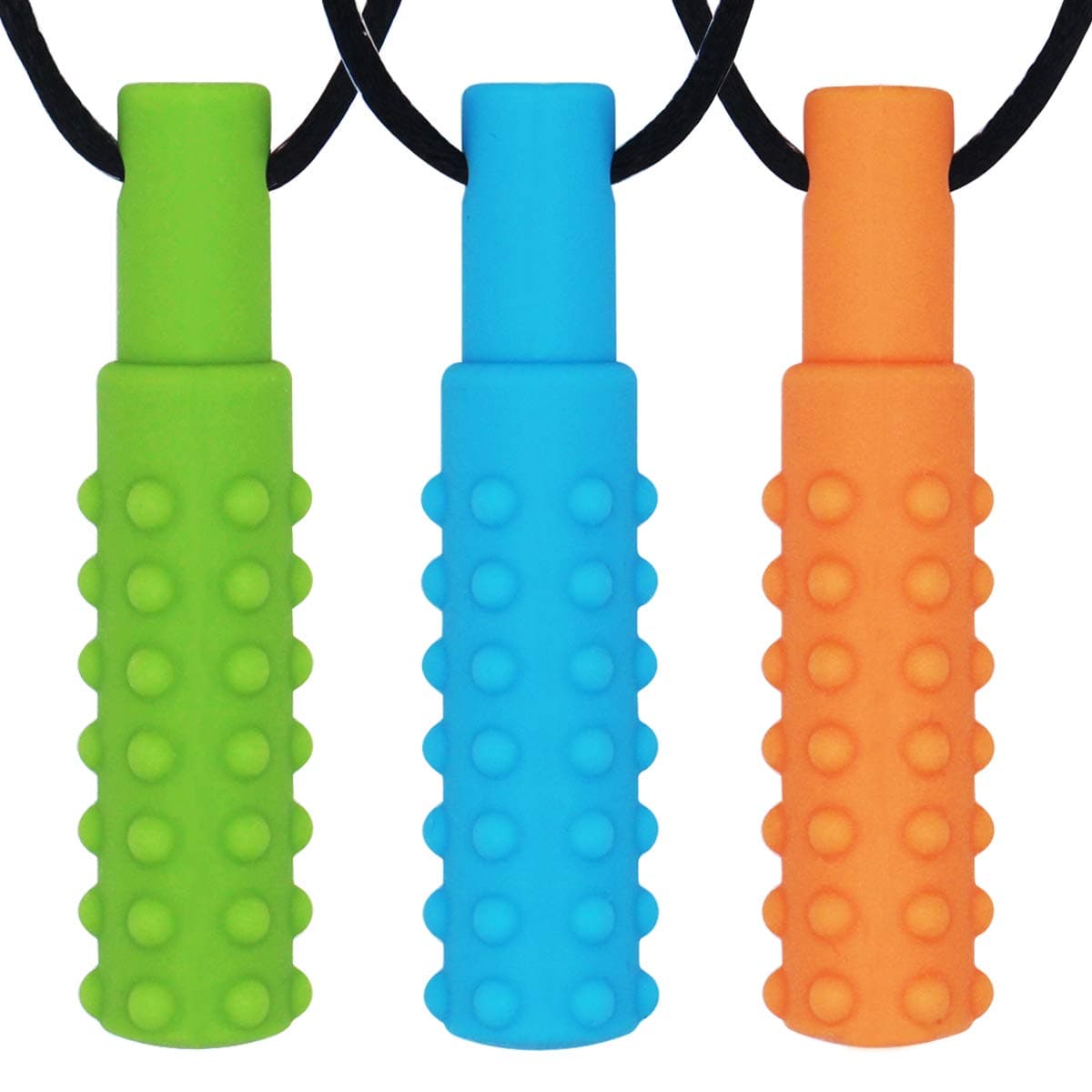
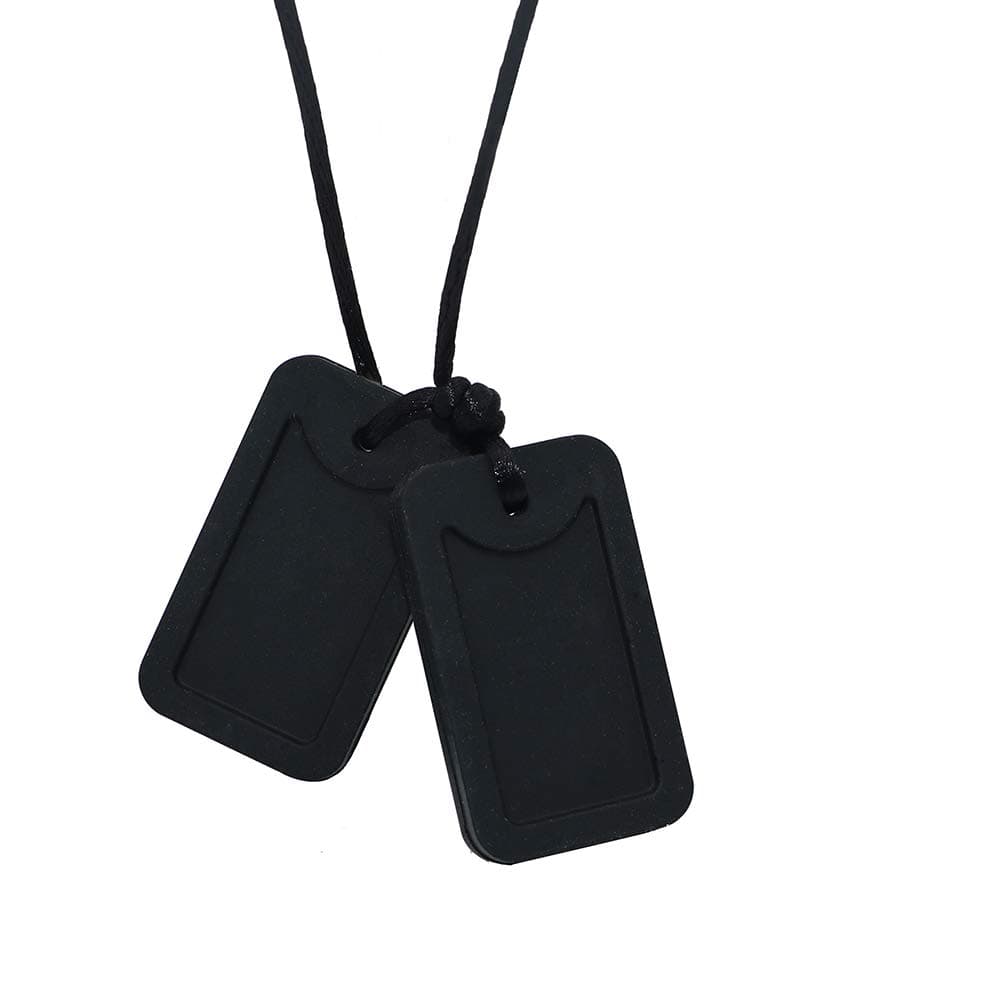
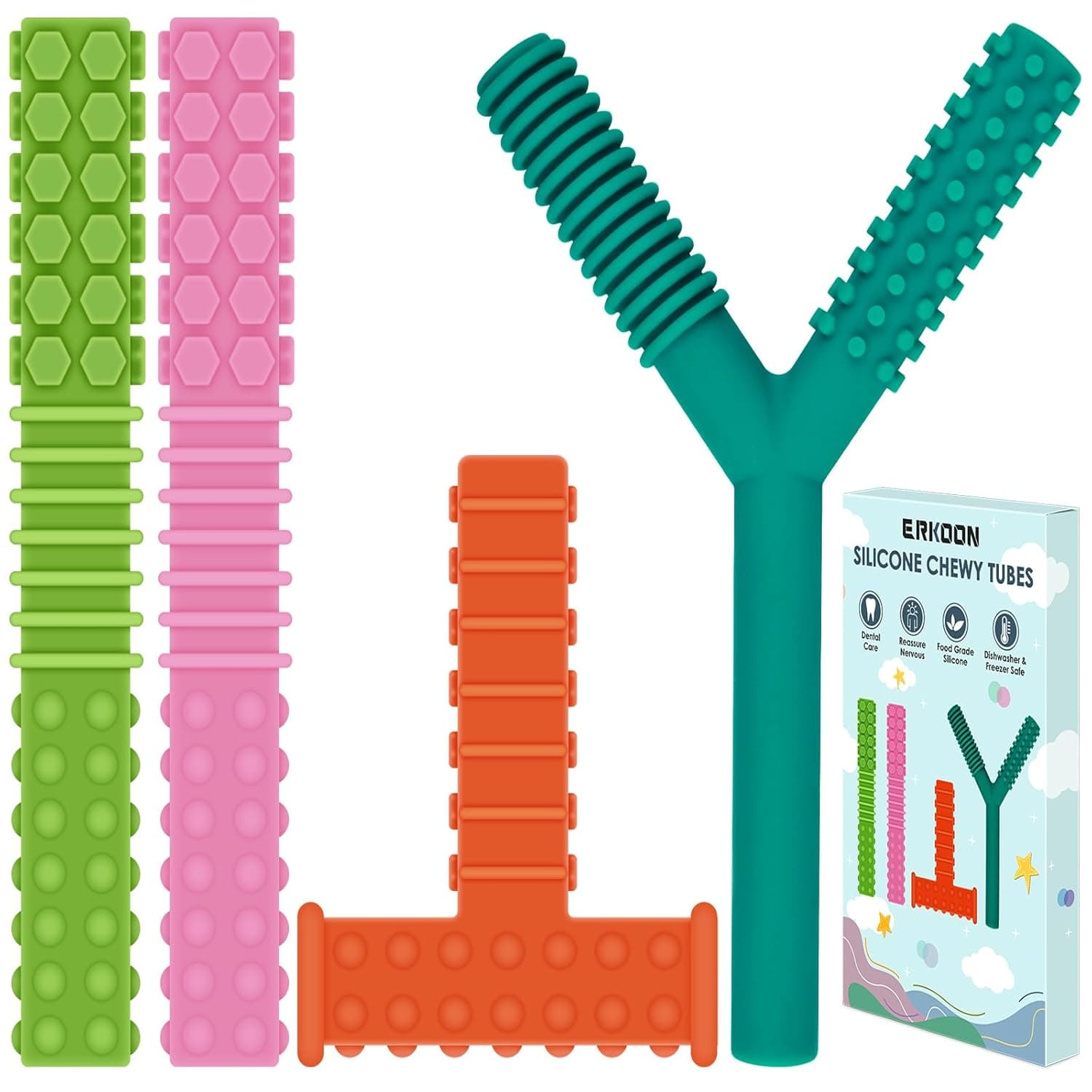
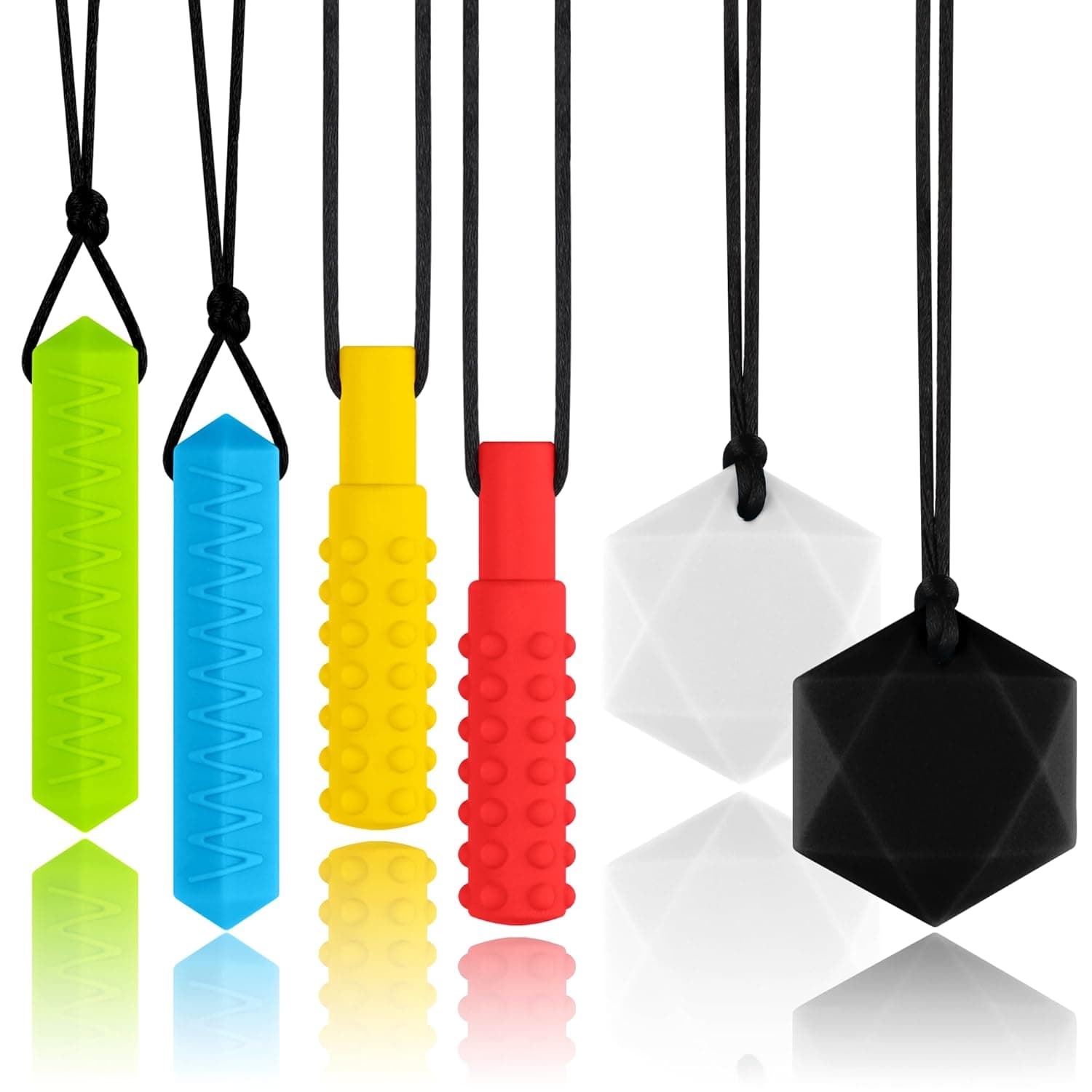
Sensory Chew Necklace for Kids (6 Pack)
$9.99
Best for
Kids who chew on shirts, pencils, or fingers
oral motor
View on Amazon
Direct product link
Parent-built sensory product guidance for home, school, and therapy
For ProfessionalsFind the right sensory tools faster — without guessing.
If your child chews on clothing, pencils, or fingers, oral sensory tools give them a safe, satisfying way to get the oral input they crave — supporting focus, calm, and self-regulation.
Curated for autism, ADHD, and sensory processing differences
SensoryChew
Best for
Kids who chew on shirts, pencils, or fingers
Direct product link
ARK Therapeutic
Best for
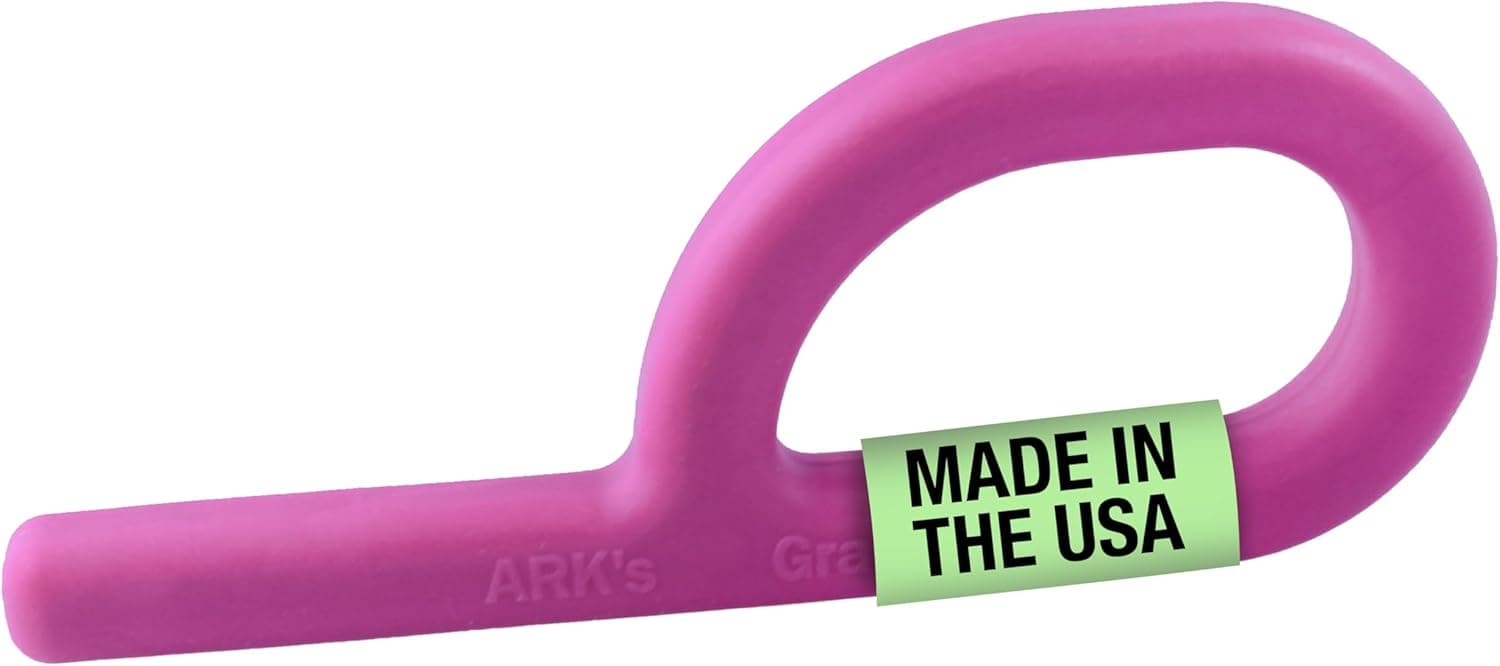
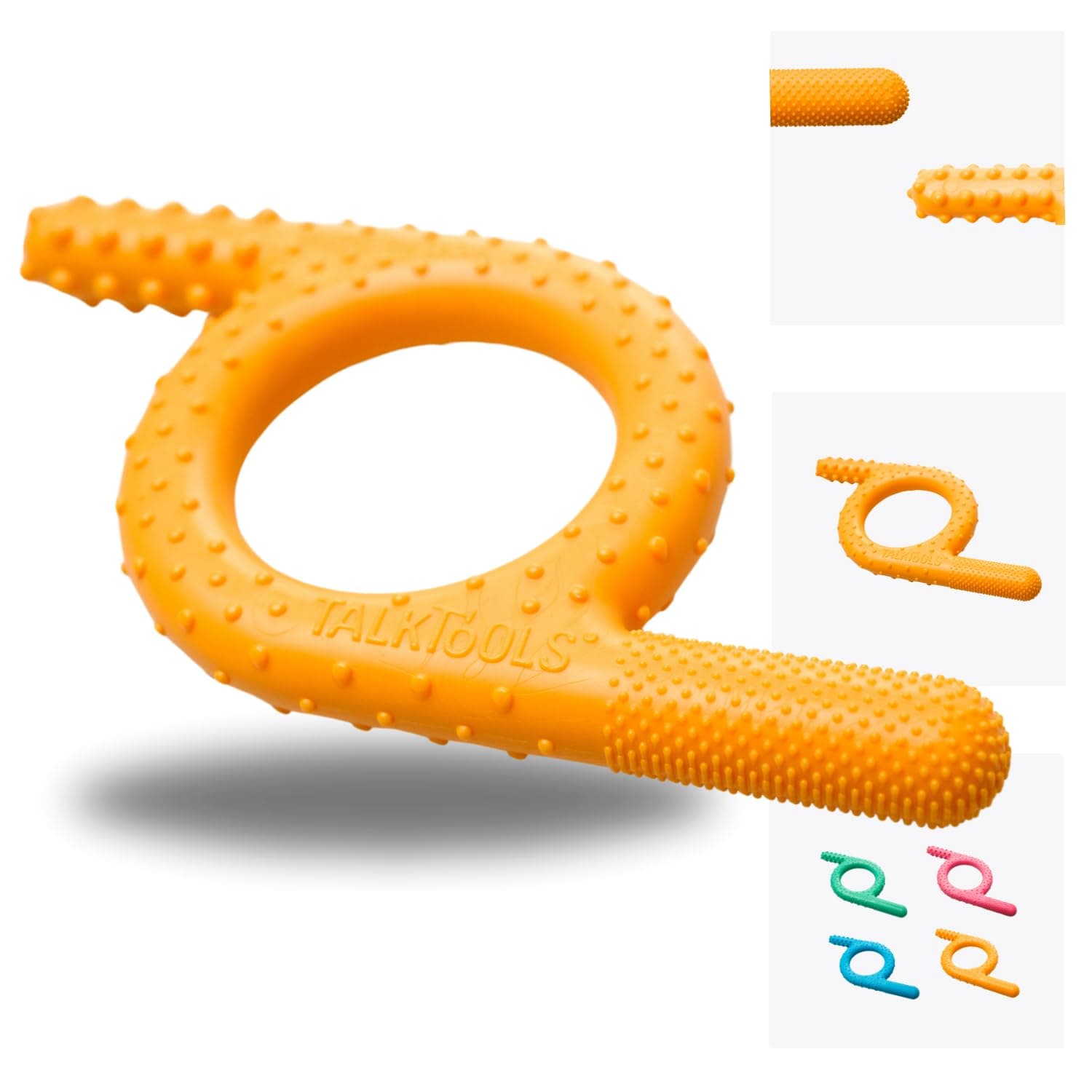
Kids in oral motor therapy or who need heavy chewing input
Direct product link
ARK Therapeutic
Best for
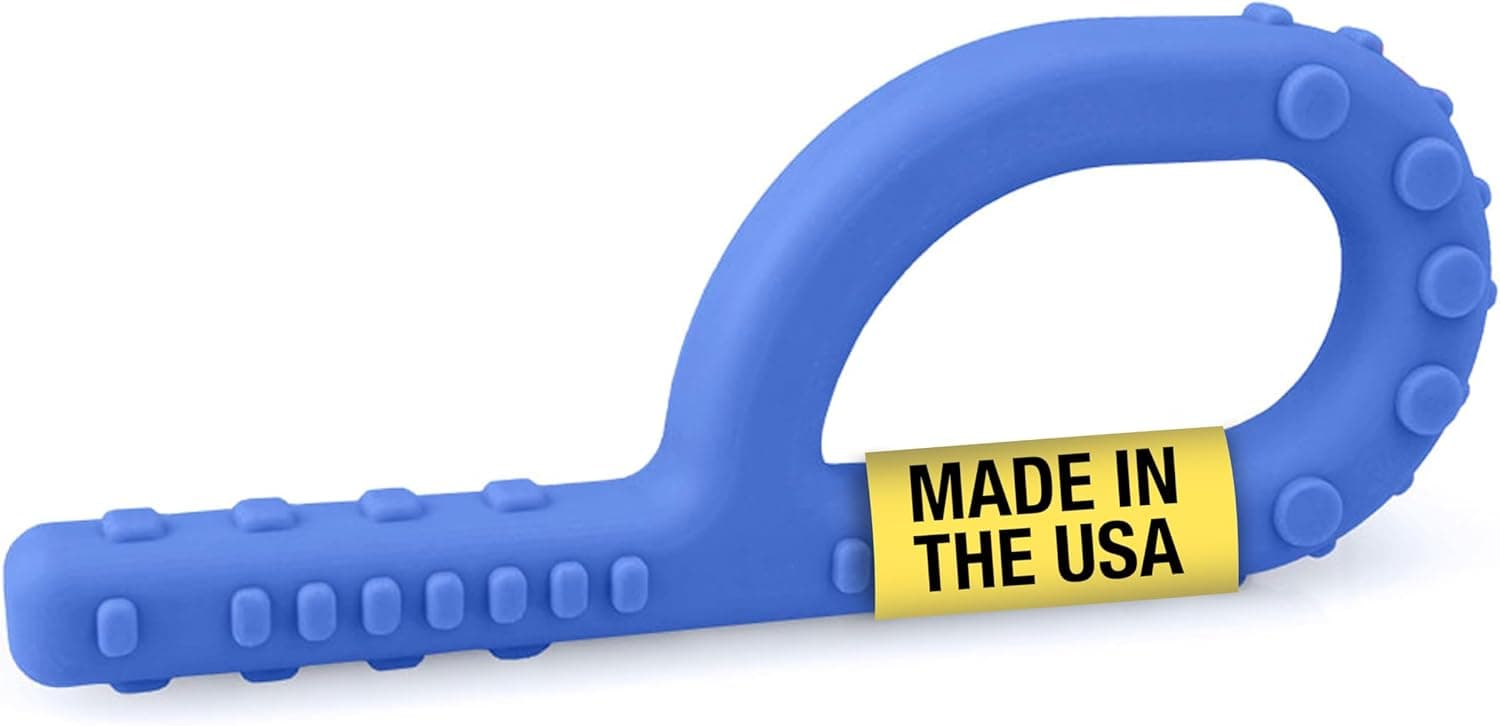
Aggressive chewers who destroy standard-firmness chew tools
Direct product link
Best for
Kids who need accessible chewing throughout the school day
Direct product link
Best for
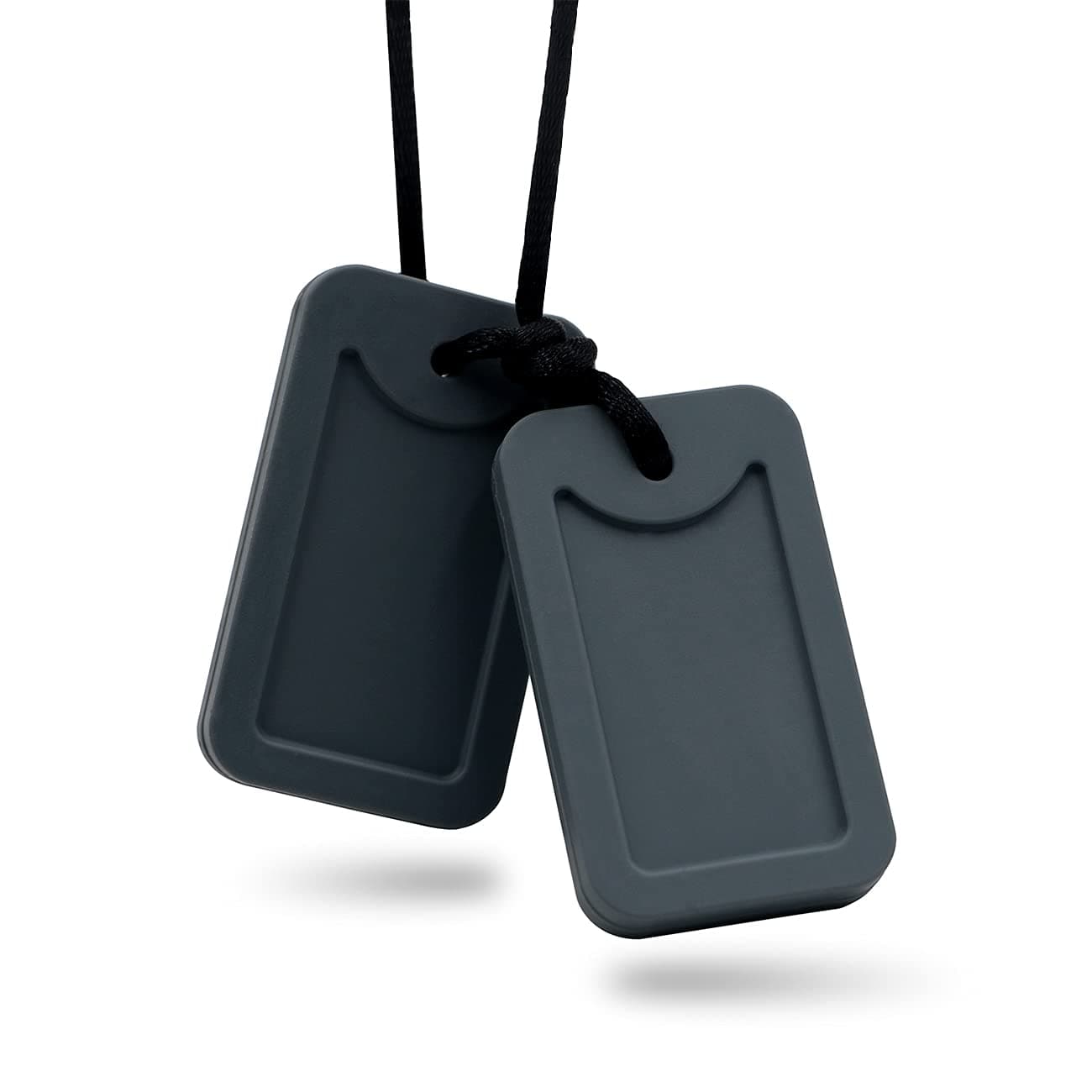
Boys who need discreet chewing options for school and home
Direct product link
Best for
Toddlers in speech therapy or with oral motor delays
Direct product link
Best for
Babies and toddlers working on feeding skills or oral motor development
Direct product link
SensoryChew
Best for
Older kids and teens who need oral input but want something that doesn't look like a 'baby toy'
Direct product link
Best for
Kids in speech or feeding therapy who need vibrating oral motor input
Direct product link
Best for
Kids who need variety in their chewing tools at home and school
Direct product link
SensoryChew
Best for
Kids who want ultra-discreet oral motor tools
Direct product link
ARK Therapeutic
Best for
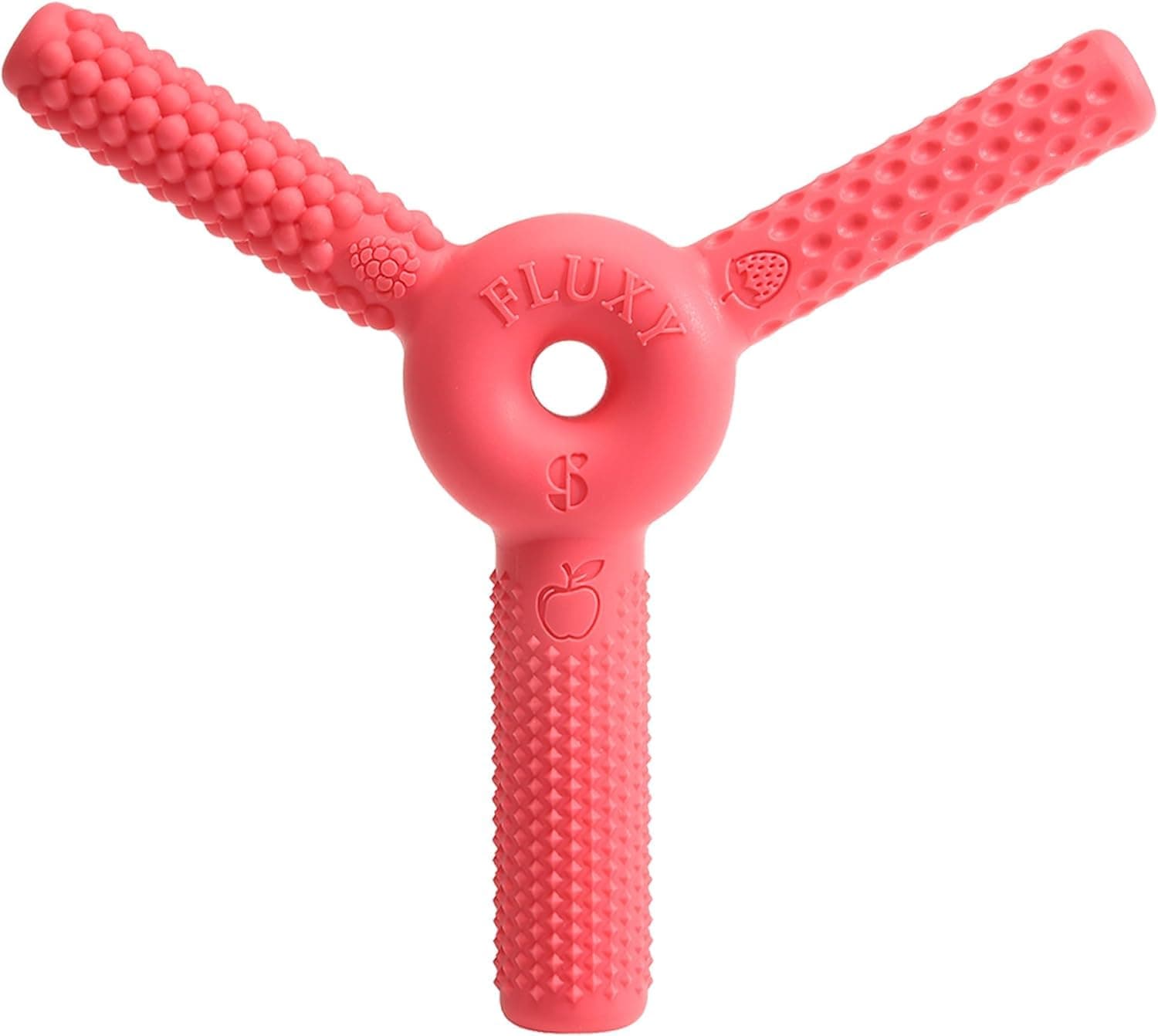
Kids who need varied chewing surfaces in one tool
Direct product link
SensoryChew
Best for
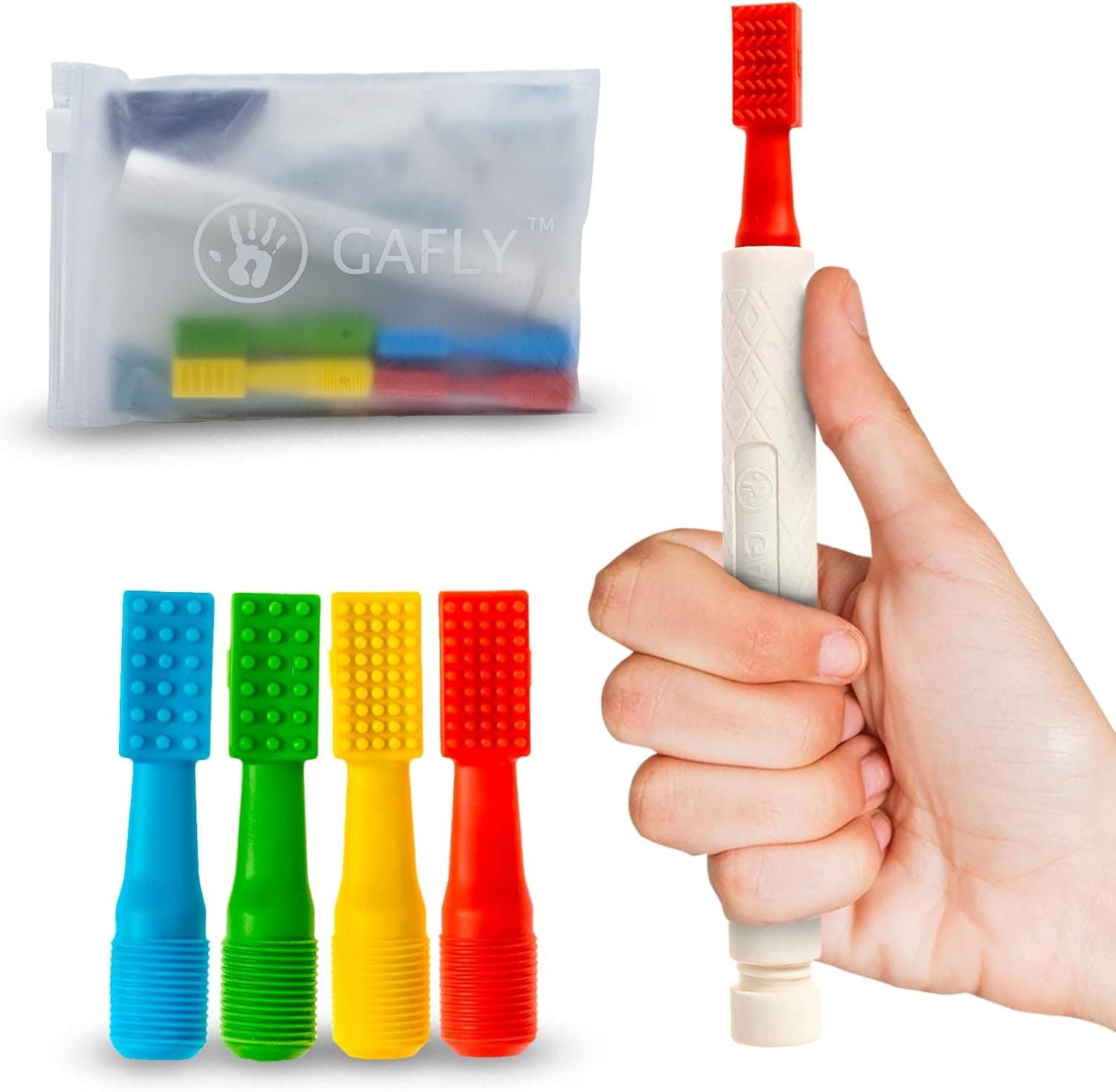
Students who chew pencils and need a safe alternative for school
Direct product link
Best for
Babies doing feeding therapy or sensory exploration
Direct product link
Oral sensory seeking is common in autism, ADHD, and sensory processing differences. Rather than trying to stop the behavior, oral sensory tools redirect it to something safe and durable.
Look for tools made from food-grade, BPA-free silicone, sized to your child's chewing strength. Gentle chewers do well with softer textures, while strong chewers need firmer, tougher materials that won't break apart.
For kids who need more feedback, vibrating oral tools add extra proprioceptive input. If chewing is mostly a fidget or focus habit, discreet chewelry necklaces and bracelets work well at school.
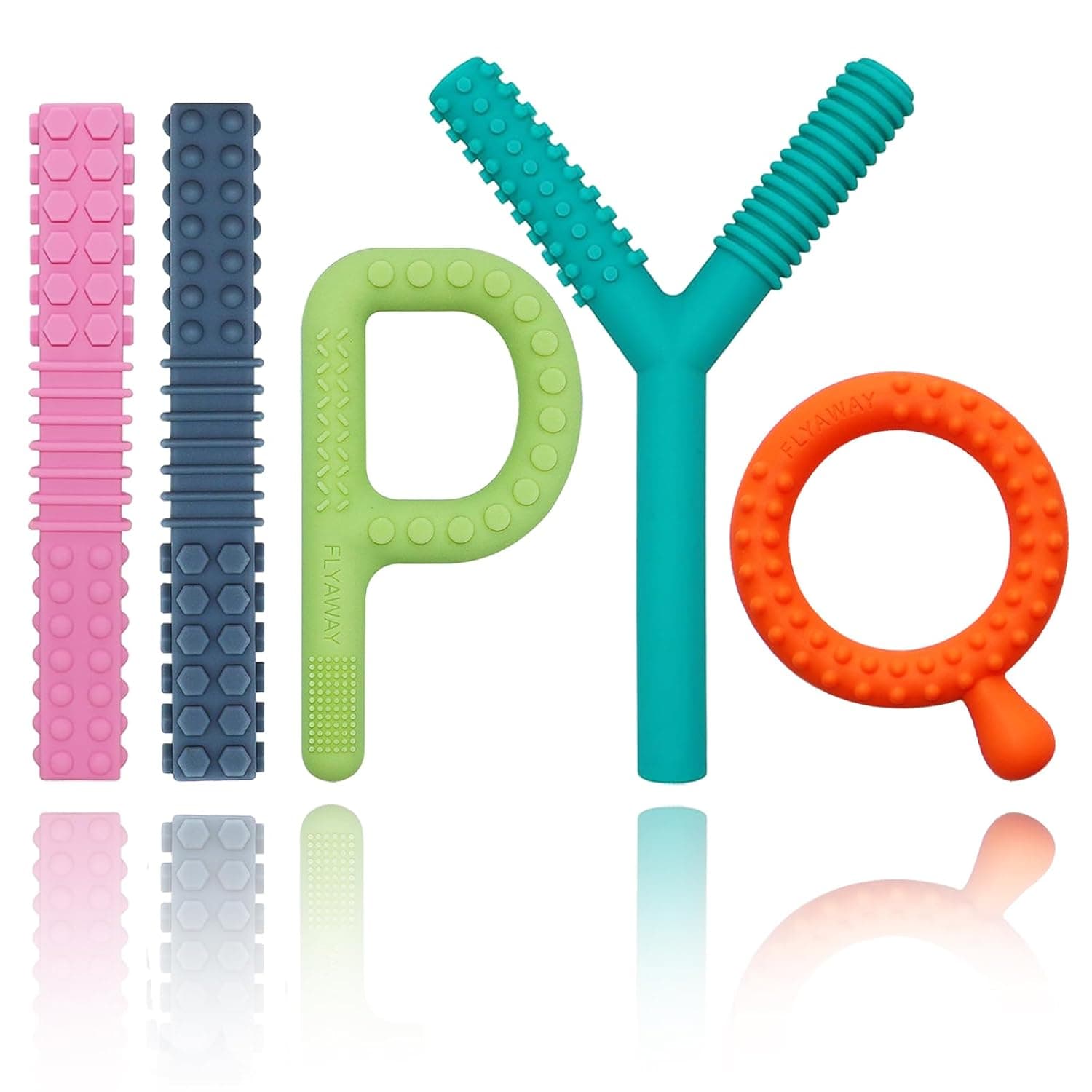
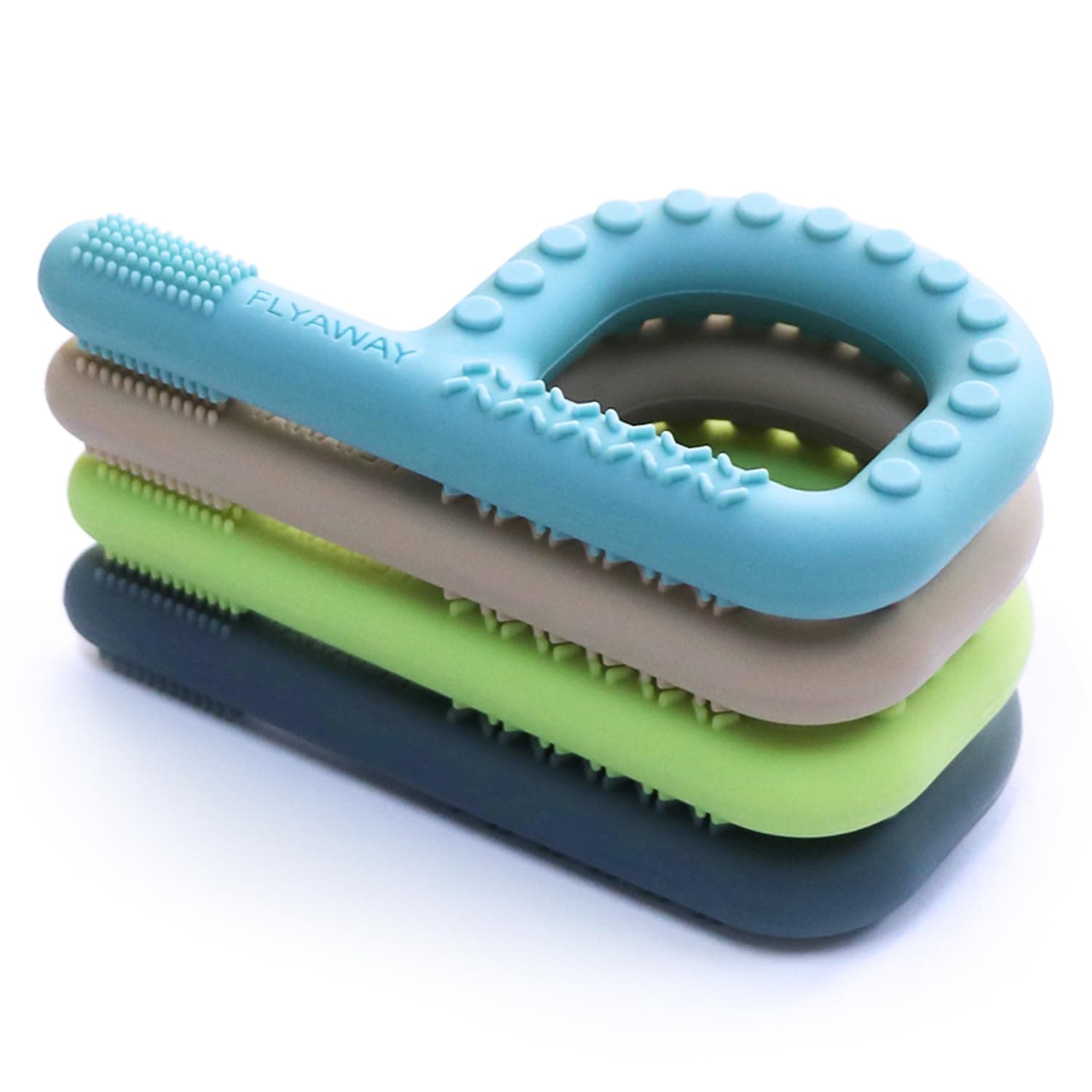
Oral sensory tools are safe, chewable products — like chewelry, chew tubes, and vibrating tools — that give children a healthy outlet for oral sensory seeking instead of chewing on clothes, pencils, or fingers.
Yes, when you choose the right one. Look for food-grade, BPA- and phthalate-free silicone and match the firmness to your child's chewing strength. Always supervise young children and replace any tool that shows damage.
Strong chewers need firm, high-durability tools made from tough medical-grade silicone. Softer chewelry can wear down quickly, so pick products specifically rated for aggressive or heavy chewing.